Independent knowledge base software guide Evidence-led Updated 2026

Cybersecurity Team Knowledge Base: A Practical Guide to Building and Maintaining One
A cybersecurity team knowledge base is a maintained internal collection of procedures, investigation guidance, detection context, and operational lessons that helps security staff make repeatable decisions. A useful entry tells an analyst when it applies, what information they need, which actions they are authorized to take, and where to go when the documented path no longer fits.
For a security operations center (SOC) lead or a small security team, the starting point is a set of recurring decisions: how to investigate an alert, hand off an unresolved case, validate a change, or find the right escalation contact. Build around those decisions, assign responsibility for the answers, and test whether another person can use them.
Last verified: November 20, 2026.
Start with the decisions your team needs to repeat
Review recent investigation handoffs, repeated questions, exercise findings, and onboarding difficulties. Ask analysts where they had to stop because a procedure was missing, ambiguous, inaccessible, or written for a different environment. Record the task and the consequence of getting it wrong.
Prioritize work using three considerations: how often the question arises, how consequential a wrong answer could be, and how dependent the answer is on a particular person. A rare emergency procedure may deserve attention before a frequent low-impact task. Select a starting set that named owners can maintain; a page-count target does not establish useful coverage.
This approach is consistent with NIST SP 800-61 Rev. 3, which discusses documenting procedures for common incidents and particularly important processes, then testing or exercising procedures for accuracy. It does not prescribe a particular knowledge-base product.
Keep reusable guidance connected to its authoritative records
Decide where each kind of information is maintained before importing existing files. The following is a practical ownership model; the locations can be separate systems or appropriately controlled areas within one platform.
| Information | Recommended authoritative home | What the knowledge base should provide |
|---|---|---|
| Repeatable triage, response, and operating guidance | The approved knowledge collection | Applicability, decision steps, prerequisites, escalation, and validation status. |
| Live incident decisions and investigation activity | The incident or case record | Instructions for recording work and controlled links to relevant cases. |
| Raw telemetry and collected evidence | The designated logging or evidence environment | Collection and access procedures, provenance requirements, and authorized references. |
| Passwords, tokens, private keys, and recovery secrets | The approved secrets-management system | How authorized staff request or use access, without embedding secret values. |
| Policies, deployed configurations, and detection source code | Their designated policy library or controlled source repository | Links to the authoritative version and an explanation of operational implications. |
The boundary is about purpose and controls. A case records what happened during one investigation; a reusable article explains how to approach similar work. A policy establishes organizational requirements and authority; an operating procedure explains the approved implementation. Preserve those relationships when one product hosts several collections.
For evidence, verify the required protection, provenance, retention, and handling workflow with the responsible owners. Buying a wiki does not establish evidence integrity or chain of custody. NIST’s incident-response guidance separately addresses safeguarding incident records and preserving incident-data integrity and provenance; it does not require every organization to buy a separate application for each record type.
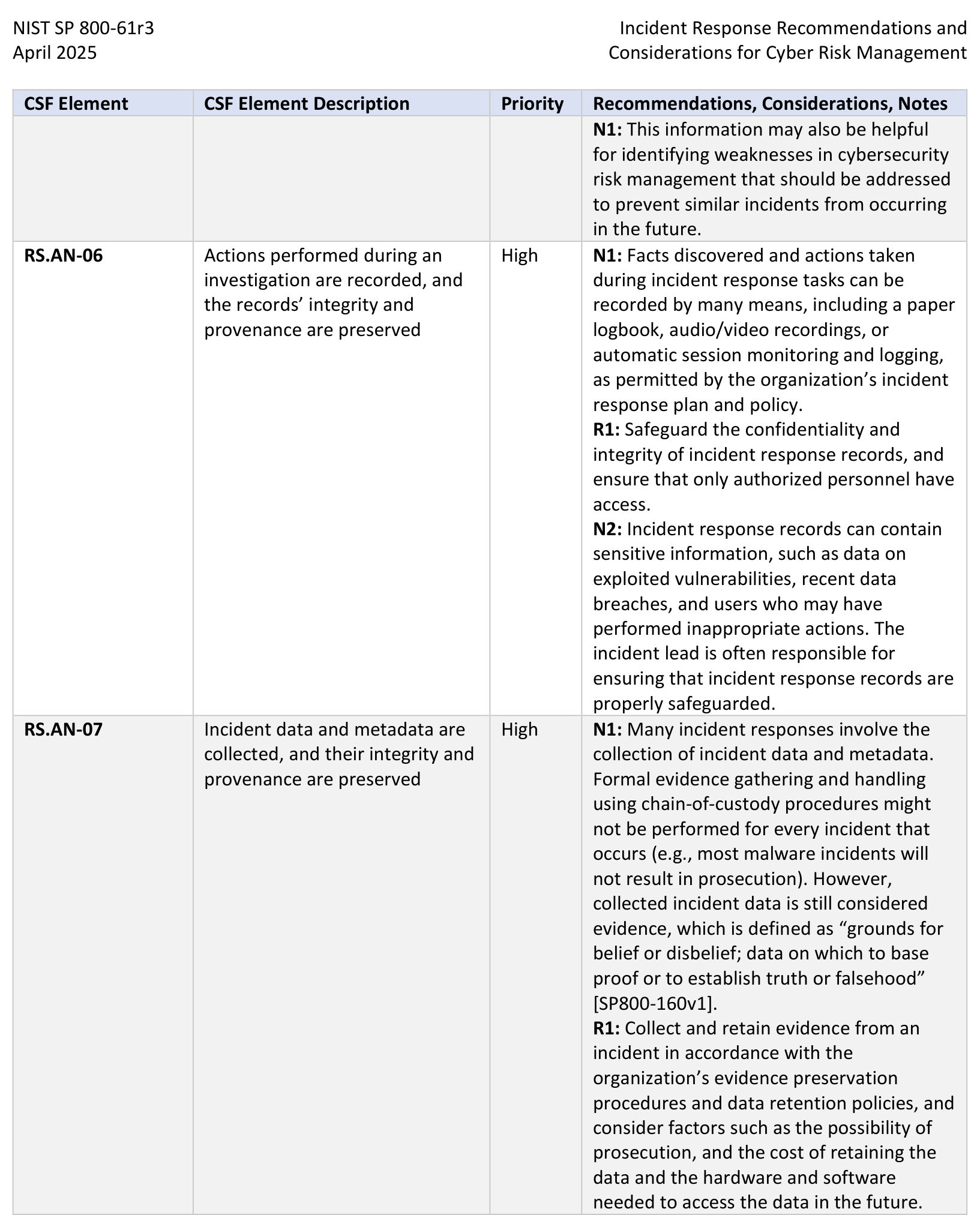
Keep employee-facing reporting instructions and external advisories in collections suitable for their audiences. An internal responder guide can contain operational detail that those audiences do not need. Likewise, MITRE ATT&CK supplies public reference knowledge about adversary behavior; your internal articles still need to explain your environment, responsibilities, and approved actions.
Make the applicable procedure easy to recognize and find
Organize the collection around work people recognize: investigate a workforce sign-in alert, review a detection change, escalate suspected data exposure, or verify a hardening exception. Department names can be secondary filters. An analyst should be able to reach one authoritative procedure from several relevant tasks without encountering competing copies.
Choose document types by the decision they support
Use a small vocabulary consistently. In this guide, a playbook provides an investigation path with decision branches, while a runbook describes a defined task and how to verify its result. This working distinction follows the approach in AWS guidance on incident playbooks and operational runbooks. Organizations and products may use the terms differently.
A standard operating procedure (SOP) can describe a recurring process such as shift handoff or exception review. Detection notes should explain the signal, required telemetry, known limitations, and relevant logic revision. Sanitized lessons learned should capture a reusable correction and link it to the affected guidance. These formats serve different purposes; they do not all need separate document templates.
For threat-intelligence summaries, record the source, observation dates, confidence, affected context, and the condition that should trigger reassessment. Choose review or expiration rules for the information and its use. A past benign explanation is historical context, not permanent clearance for future activity.
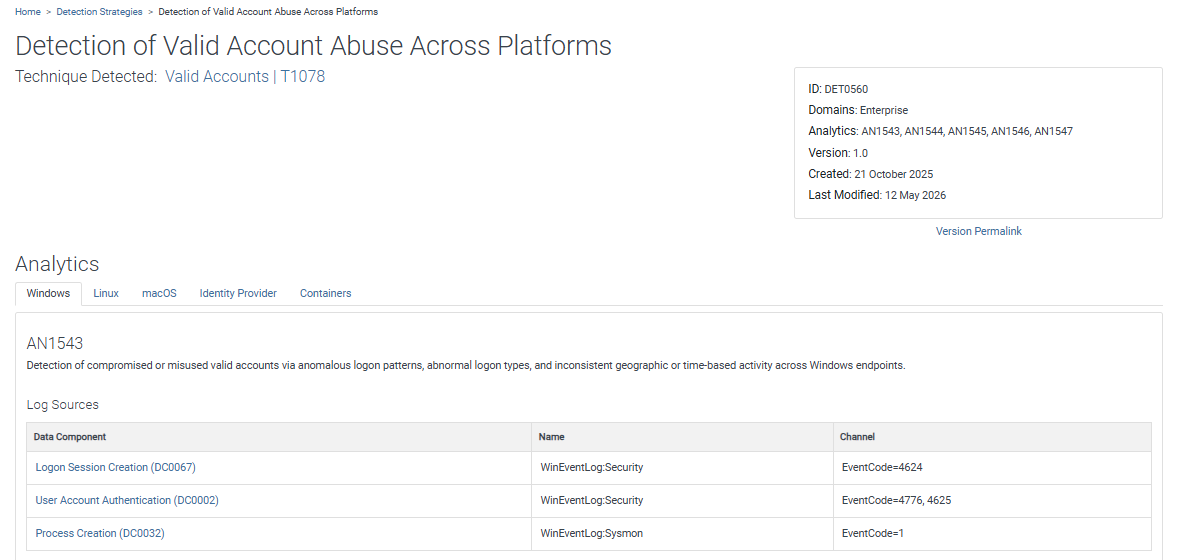
If detection guidance includes ATT&CK mappings, use them to connect related behavior and documentation. Record validation evidence separately: the telemetry available, the scenario exercised, and the observed detection result. A technique label alone cannot tell the reader whether a detection works in the relevant environment.
Put scope and trust signals before the instructions
At the beginning of an action-oriented article, make these questions answerable without scrolling through its history:
- Does this apply? Identify the task, account or asset type, environment, platform, and relevant alert or configuration version.
- May I use it? Show the intended reader, required permissions, prerequisites, and approval state.
- Who stands behind it? Name the accountable owner, technical reviewer, and approval authority appropriate to the risk.
- What has been checked? Distinguish the latest content review from the latest procedure test, including the environment and revision tested.
- What happens if it does not fit? Provide a stop condition, escalation route, and the authoritative sources or related procedures.
Keep the main instructions readable. Store detailed change history and test records in linked, controlled records. For procedures that change systems, include expected outcomes, validation checkpoints, and applicable recovery or rollback instructions; the reader needs to know when continuing would be inappropriate.
Build discovery paths from the tools analysts already use
Use descriptive titles, familiar alert names, common synonyms, and stable document identifiers. Link the canonical guide from the relevant alert definition, case template, or investigation workspace. Where appropriate, this includes security information and event management (SIEM), security orchestration, automation, and response (SOAR), and endpoint detection and response (EDR) tools.
Keep source-code links for the deployed detection revision alongside the explanatory note. If multiple environments need different procedures, show the distinction in titles and search results. A document can be accurate and still be the wrong answer for the person who found it.
Test searches using phrases analysts actually type. Inspect failed searches and situations where a plausible result led to the wrong procedure. Protect the internal collection with appropriate access controls; publishing this educational article does not create a reason to expose private security documentation to public search engines.
A worked example: documenting suspicious-login triage
Illustrative example: The record below is fictional and tool-neutral. It demonstrates a complete documentation pattern for pilot review, not a production identity-compromise response procedure. The document and alert identifiers are synthetic. No review, exercise, or incident outcome is claimed.
Example record and scope
- Title and ID: Review a suspicious workforce sign-in alert — KB-IDENTITY-017, draft revision 1.
- Purpose: Determine whether the available information supports escalation, further investigation, or a proposed closure under the organization’s incident policy.
- Applies to: Managed employee accounts in the workforce identity environment and synthetic alert SIGNIN-07, revision 3. Excludes service identities, guest accounts, emergency-access accounts, and other identity environments.
- Reader and access: Assigned SOC analyst with authorized access to the alert, the relevant identity records, and the case-management workspace.
- Accountability: SOC lead owns the content; the identity engineering lead reviews technical dependencies; the incident-response lead approves operational use.
- Status: Draft for pilot review. Last reviewed: not yet peer reviewed. Last tested: not yet exercised. Operational approval remains pending.
- Dependencies: The current workforce identity logging reference, the deployed alert logic, the incident escalation policy, and the authorized identity-response runbook.
- Review triggers: Changes to those dependencies, a failed exercise, an inaccessible evidence source, or an incident finding that exposes a missing decision branch.
Before operational approval, each dependency needs an accessible authoritative reference. An analyst’s ability to open this article does not establish permission to inspect every account or perform containment. The example’s defined activity is review and documentation; disruptive actions require the separate authority specified by the organization.
Decision path and expected case record
- Confirm applicability. Match the account type, identity environment, and alert revision to the scope. If any do not match, record the mismatch and route the case to the shift lead for applicable guidance. Do not adapt an unrelated procedure silently.
- Establish the investigation record. Open or locate the authorized case. Record the alert reference, relevant event time and time zone, assigned analyst, and controlled links to the necessary source records. Keep raw evidence in its designated location.
- Separate observations from explanations. Document what the available records show, which explanations remain hypotheses, and what information is unavailable. Treat an account user’s explanation as one input requiring evaluation in context.
- Handle uncertainty explicitly. Missing required telemetry, insufficient access, or contradictory information goes to the shift lead for a documented next step. The absence of accessible records is not a basis for routine closure.
- Apply the approved escalation criteria. Use the organization’s current incident policy and identity-response guidance. Record the facts supporting escalation or a proposed closure. Do not substitute a single reassuring signal for the required review.
- Hand off with an accountable next owner. Record the disposition, rationale, unresolved questions, references, and next responsible role. If containment is needed, transfer to the authorized procedure and approval path rather than extending this triage guide.
The expected output is a traceable case decision: escalated for response, assigned for additional evidence, or submitted for closure review with a documented rationale. The reusable article contains the decision path; the individual case contains the observations and outcome. A new analyst should be able to explain that distinction after using the example.
Sample pilot input: The synthetic alert matches the documented scope, but the test analyst cannot access a required identity-event record. The expected handoff should identify the access gap without inferring that the activity was harmless.
Illustrative handoff note: “Alert SIGNIN-07, revision 3, matches this guide’s scope. Assessment remains incomplete because the required identity-event record is unavailable to this test role. The shift lead owns the next decision: arrange authorized review of the missing record and apply the incident policy’s escalation criteria. Closure is not supported by the available fixture.” This is an expected exercise response, not a reported incident result.
A useful feedback entry is specific: “The guide requires an authentication-result field that the current logging pipeline no longer exposes.” Attach the article revision and affected environment to the correction request. Keep sensitive case details in the authorized record and link them only where the recipient has access.
This example deliberately remains a draft until its dependencies, approval path, and acceptance checks are verified. That status is meaningful information: it prevents a polished page from being mistaken for a validated operational procedure.
Choose a platform that protects access and remains usable during disruption
Begin evaluation with the representative document and its workflow. A controlled wiki, documentation site backed by a source repository, service-management knowledge module, or dedicated platform may be suitable. Compare the work each can support in your environment before comparing feature counts.
Ask an author to submit a change, a reviewer to evaluate it, and an authorized analyst to locate the approved revision. Inspect version history, approval records, link stability, and the distinction between drafts and published guidance. Export the sample content and check whether its text, attachments, relationships, and ownership information remain usable; record anything the export omits.
Verify access beyond the article page
Define viewing, editing, approving, and sharing as separate decisions. Someone who can read a runbook does not automatically need permission to change it or distribute its attachments. Use groups or roles that reflect actual responsibilities, and decide who reviews membership and ownership changes.
Test each supported route to content: direct URLs, attachments, search snippets, notifications, exports, and downstream integrations. Check a user with the intended access and a user without it. Include permission revocation in the trial; a platform’s normal page view does not demonstrate that every secondary channel has updated correctly.
Account separately for previously downloaded exports, offline copies, and retained conversations. Revoking access to the source does not establish that those copies have been removed; their handling needs its own ownership and controls.
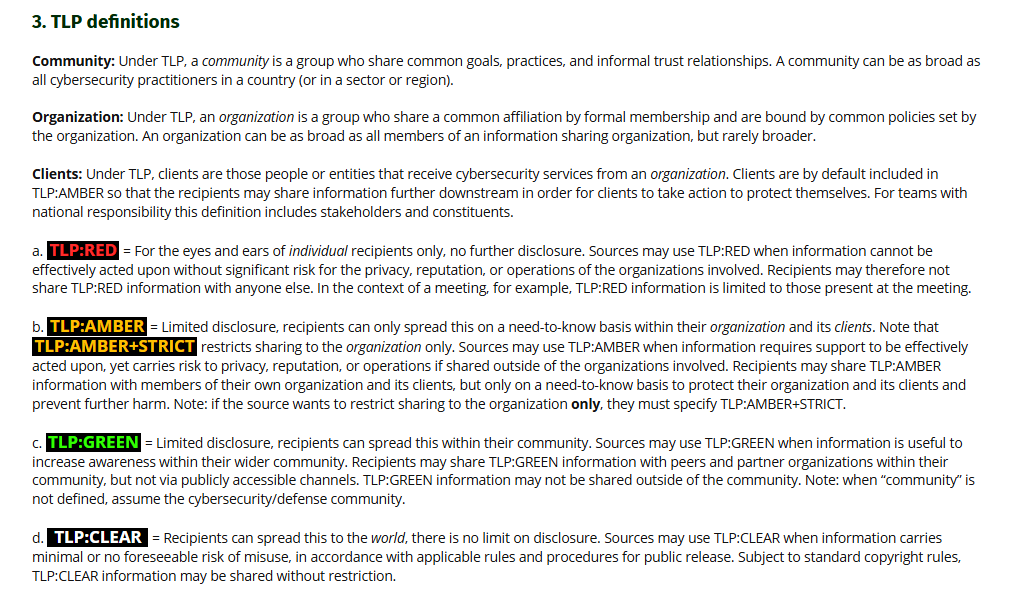
Where material carries a Traffic Light Protocol (TLP) designation, preserve the source’s sharing boundaries. FIRST’s TLP guidance distinguishes TLP from a formal classification scheme and from handling or encryption rules. Apply your organization’s classification and technical access controls alongside the sharing designation; displaying a label does not enforce it.
Plan access when the wiki or single sign-on is unavailable
Identify which guidance would be needed during a knowledge-platform or single sign-on (SSO) outage. Depending on the risks, use an approved alternative such as a protected recovery repository or a controlled offline package for designated responders. Check the dependencies: a fallback that requires the unavailable platform or identity path may not solve the access problem.
Give the fallback an owner, defined readers, a synchronization method, revision information, and an approved access procedure. Protect its storage and transfer, keep credentials in the designated secrets system, and define how access is recorded and later reviewed. Include a way to recognize outdated material.
Practice access during a controlled exercise without disabling production authentication or expanding permissions to make the test pass. The objective is to preserve authorized access to critical guidance when normal services fail. This is a resilience design recommendation whose implementation should follow the organization’s risk assessment.
Add AI retrieval only after its boundaries are testable
If an artificial intelligence (AI) assistant searches the collection, evaluate the whole path: source ingestion, document chunks, retrieval, generated answers, citations, and any saved conversation. Microsoft’s document-level access guidance illustrates why permission metadata and source context must survive indexing and chunking, and why permission synchronization needs separate attention. Other products require their own verification.
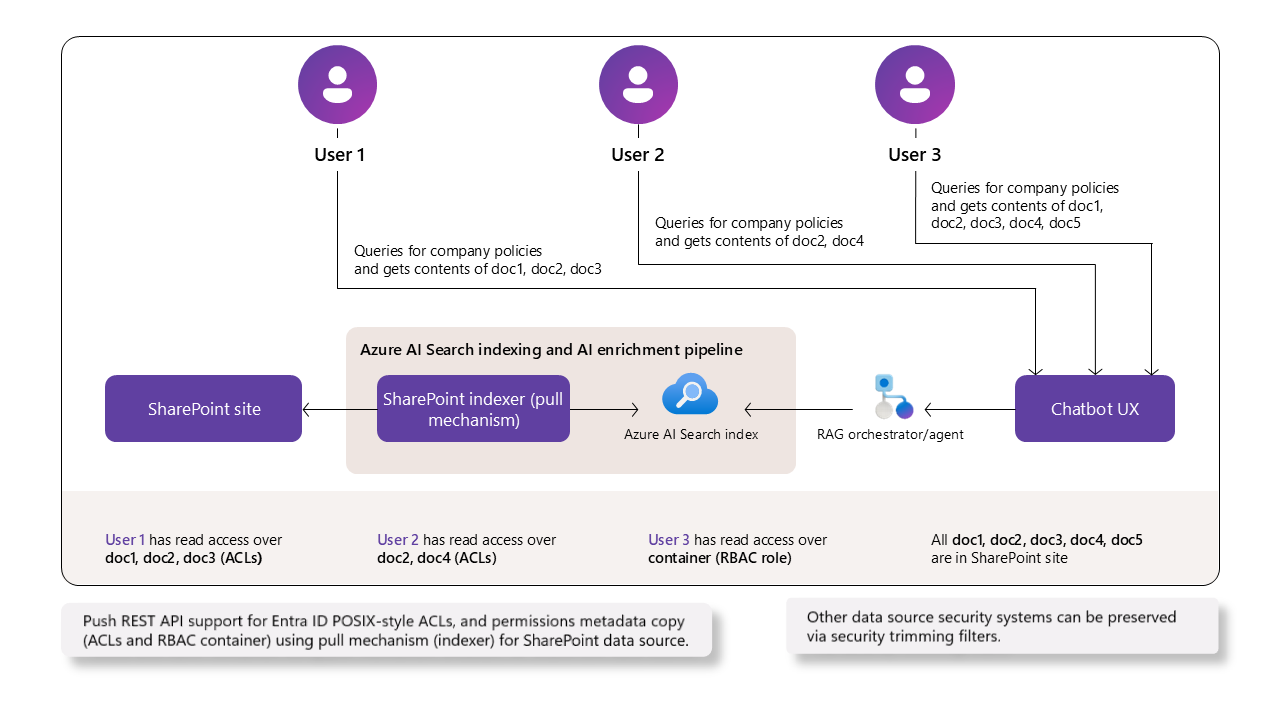
Require answers to identify the source and applicable revision. Test restricted content with lower-privilege accounts, repeat the test after access is revoked, and check what happens when the only available source is retired or outside the requested environment. A citation is useful evidence of origin; it does not prove that an answer is correct.
Treat retrieved documents, ticket text, and attachments as data, including when they contain instructions aimed at the assistant. OWASP’s prompt-injection guidance describes attacks carried through external content. Test that such content cannot change access decisions or trigger unauthorized actions. Keep operational authorization outside the generated answer and preserve human approval wherever the underlying procedure requires it.
Run an acceptance exercise before operational rollout
Use the suspicious-login example as a test fixture in an authorized nonproduction workspace. Have someone other than the author follow it with synthetic records. Include an intended reader and a lower-privilege test account, and agree on the expected behavior before starting. The checks below are proposed acceptance criteria, not reported test results.
| Check | Pass condition | What to do if it fails |
|---|---|---|
| Find the applicable guide | An authorized analyst’s realistic search identifies the intended document and its approval state; the analyst can confirm the covered environment and alert revision. | Correct titles, synonyms, filters, or source-tool links. Repeat the same query. |
| Recognize a scope mismatch | A fixture involving an excluded account type leads to the documented escalation path before any unsupported action. | Make exclusions and the alternative path visible near the beginning. |
| Handle missing information | An unavailable source or permission produces a recorded gap and an accountable next step, not an assumed benign outcome. | Add the missing stop condition, dependency, or escalation responsibility. |
| Respect action authority | The analyst can identify what this guide permits and where authorization for disruptive actions must come from. | Clarify the boundary and review links to the response procedure. |
| Complete the case record and handoff | The synthetic case separates observations from hypotheses and records the disposition, supporting references, unresolved questions, and accountable next owner. | Clarify the required case fields and handoff instructions, then repeat the exercise. |
| Protect restricted information | The lower-privilege account cannot retrieve protected information through the supported page, attachment, search, integration, or AI routes being tested. | Block affected publication or integration paths until the access defect is corrected and retested. |
| Handle old and revoked access | A superseded link cannot be mistaken for current guidance; revoked access no longer yields protected information within the organization’s accepted revocation requirements. | Correct retirement handling, permission synchronization, caches, or the chosen access design. |
| Use the approved fallback | Designated responders can locate the required current guidance through the approved alternative, with its expected restrictions and accountability. | Repair the access dependency, update process, or fallback coverage, then repeat the exercise. |
For each check, record the document revision, environment, test role, query or entry point, expected behavior, observed result, and defect owner. Protect screenshots or logs according to what they reveal. A failed access check should not be concealed by reporting an overall average pass rate.
Keep walkthrough approval separate from execution testing. Reading through a procedure can reveal ambiguity; testing an action-oriented runbook in a suitable controlled environment can assess prerequisites, results, and recovery behavior. Select the validation method appropriate to the procedure and the risk, and document what the test did not cover.
Correct the observed failures and repeat the affected checks before moving the pilot document into operational use. When the platform, identity model, or retrieval pipeline changes, rerun the relevant tests. A successful earlier exercise does not establish that a changed integration still behaves the same way.
Turn changes and incident lessons into maintained guidance
Give each operational article one accountable owner and a clear technical review path. In a small team, one person may hold several roles, but the responsibilities should remain visible. Use independent review for changes whose consequences warrant it, and name a replacement owner when responsibilities move.
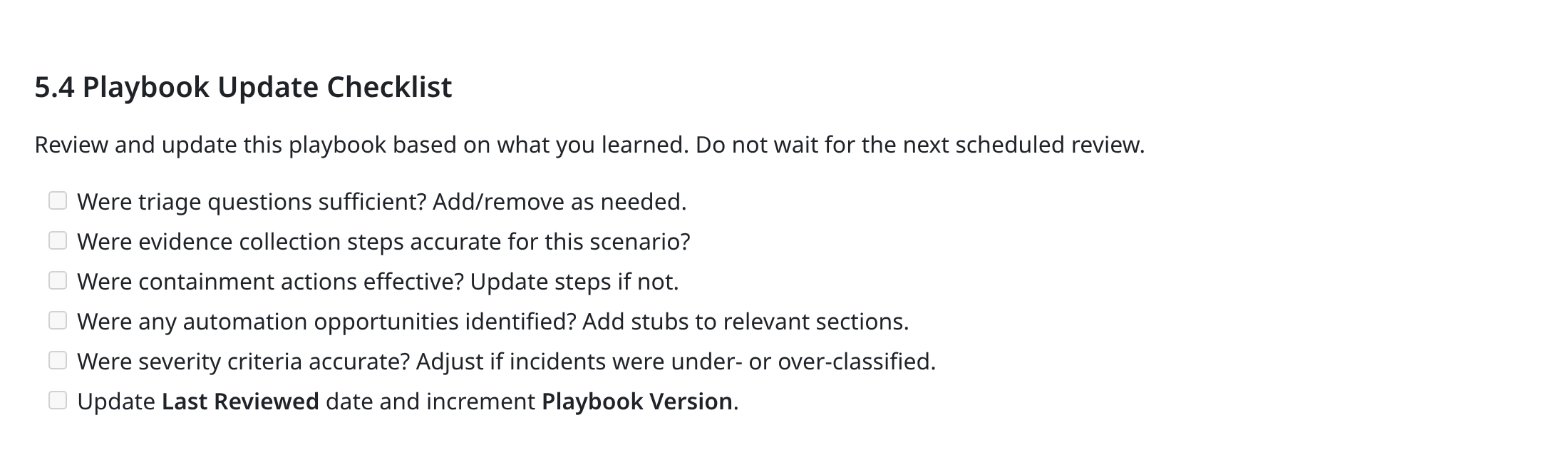
Connect updates to events the team can recognize: a detection rule changes, a logging field disappears, a platform interface moves, an approval policy changes, a source becomes inaccessible, or an exercise exposes a missing branch. Use scheduled reviews as a backstop, with frequency based on change rate and consequence. There is no useful universal review interval for every document.
- Capture the change. Open a tracked correction with the affected article, environment, source, and operational consequence. Decide whether current guidance needs a warning or withdrawal while the issue is resolved.
- Revise and review. Update the instructions and dependencies. Have the appropriate reviewer check technical correctness and the approval authority confirm any changed permissions or response responsibilities.
- Validate what changed. Repeat the relevant walkthrough or execution test. Record the tested revision and limitations; update the review date separately from the test date.
- Publish and reconnect. Release the approved revision, check links from alerts and case templates, refresh authorized fallback copies and indexes, and notify the people whose work changes.
- Retire deliberately. Remove obsolete guidance from current-answer paths, identify its replacement where appropriate, and preserve historical records under the applicable retention policy.
In the fictional sign-in example, a logging change would trigger review of both the required source fields and the missing-information branch. Updating the field name alone would not establish that the analyst can still obtain the evidence. The owner would also check permissions, repeat the affected exercise, and update the dependency reference before approval.
Use incident reviews to improve the next decision. Extract the reusable lesson, sanitize it for the intended readers, and connect it to the affected procedure. Preserve sensitive incident detail in the authorized record. Track a correction through verification and publication so that “feedback received” does not become its final state.
Measure usefulness and expand from demonstrated gaps
Choose measures that reveal where the collection needs work. Define the task set, population, and reporting window before comparing results, and keep the definitions stable enough to interpret changes. These measures are useful starting points, not industry benchmarks:
- Applicable-answer success rate: For each pilot round, divide authorized task attempts that identify the current, applicable, approved answer by all authorized task attempts in the agreed test set. Retain failed and abandoned attempts in the denominator. Report different roles or environments separately when combining them would hide problems.
- Validated coverage of priority work: At a stated reporting date, divide priority task-and-environment combinations supported by a current approved procedure with applicable validation evidence by all combinations in the agreed priority set. A relevant change can invalidate earlier evidence. This measures the selected scope, not all possible incidents.
- Correction turnaround: For corrections published during the reporting period, measure elapsed time from accepted feedback to the verified published correction. Report the median alongside the number and age of still-open corrections; completed items alone can hide a growing backlog.
Use search failures to decide whether the problem is missing content, unfamiliar terminology, incorrect permissions, or an obsolete result. Use failed exercises to decide which instructions need repair. More pages and more page views do not establish that analysts found a usable answer.
If you also track incident response times or outcomes, examine staffing, tooling, severity, and case mix before attributing changes to documentation. The knowledge base can be evaluated directly through retrieval and procedure tests without inventing a causal claim about every operational improvement.
Begin with one recurring workflow and its essential dependencies. Assign its owner, publish a clearly scoped pilot, test it with another analyst, correct the failures, and establish its update triggers. Expand when repeated questions and validated gaps identify the next useful addition. That gives each new article a defined job and someone responsible for keeping it dependable.